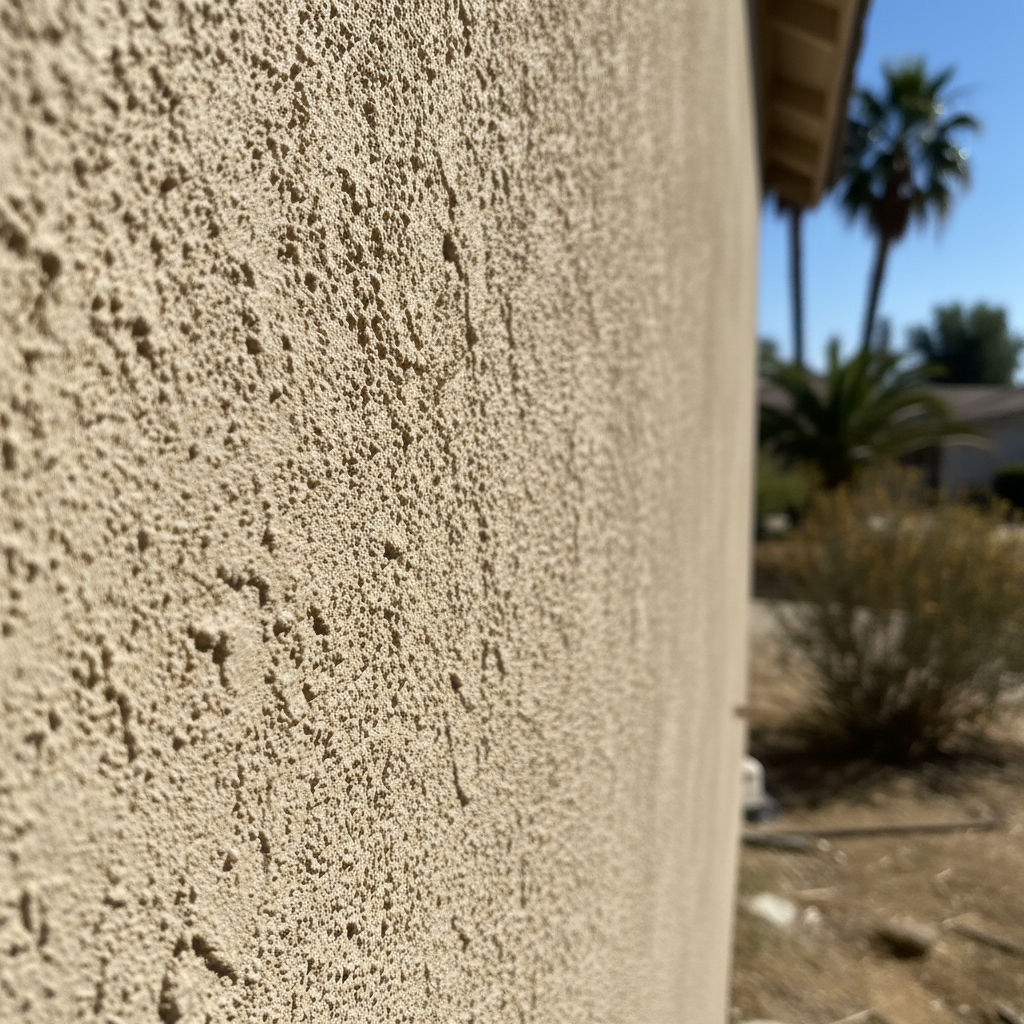
So, you're eyeing that old stucco on your Pomona home and thinking, "Time for a change." Maybe it's just plain dated, or it's definitely seen better days, or hey, you just want a fresh look. Whatever your reason, taking off stucco is a big project. Before you grab a hammer and chisel and go to town, let's chat about what you're actually getting into — and when it's just smarter to call in the pros.
Before You Start: Planning & Prep
First things first, you really need to know what's hiding under that stucco. It's not just a thin coat of plaster, you know. Stucco systems, especially the older ones, usually have multiple layers. You'll find the finish coat, then a scratch coat, then a brown coat, and after all that, there's typically a metal lath (like chicken wire or expanded metal). That lath is attached to a weather-resistant barrier (think tar paper or house wrap), which is then nailed right onto your sheathing. That's a lot of layers, and they're all pretty tough customers.
Here's what you absolutely need to nail down before you even think about picking up a tool:
- What's the End Game? Are you putting up new stucco? Siding? Something totally different? Your answer changes how careful you need to be with the structure underneath.
- Lead and Asbestos? Older homes, especially those built before the late 1970s, might have lead paint on the stucco. Even worse, there could be asbestos right in the stucco mix itself. You *have* to test for these. Seriously, don't mess around with hazardous materials. If you find them, you're looking at specialized removal, and that's definitely not a DIY job. You'll need certified professionals, no question.
- Permits: Touch base with the City of Pomona's building department. Big changes to your home's exterior often need permits, especially if you're messing with the structural integrity or changing the type of cladding. You really don't want a stop-work order halfway through your project, do you?
- Protection: This job is messy. And I mean *really* messy. Dust, debris, sharp metal lath — it's all coming down. Protect your landscaping, your windows, and anything else near the house. Tarps, plywood, plastic sheeting are your friends. And think about dust control for your neighbors too, especially if you're in a denser spot like the Lincoln Park neighborhood.
- Tools: You'll need more than just a hammer. Picture a sledgehammer, pry bars, heavy-duty gloves, safety glasses, respirators, reciprocating saws with metal-cutting blades (for that lath), wheelbarrows, and a dumpster. Renting a dumpster is usually non-negotiable.
The Removal Process: DIY vs. Pro
Okay, so you've done your homework and decided you're going to tackle some of this yourself. What can you realistically pull off?
DIY-Friendly Tasks (but still, be careful):
- Small, Isolated Sections: If you're just taking off a small patch for a repair or a minor renovation, you might be able to handle it. We're talking a few square feet, not an entire wall.
- Surface Layer Removal: Sometimes, if the stucco is super old and crumbly, you can chip off the top layers pretty easily. But you'll hit that tough lath pretty quickly.
- Debris Cleanup: You can definitely save some cash by handling the cleanup and hauling away the debris yourself, once the heavy lifting is done.
When to Call Alpha Stucco Pomona (or another pro):
- Whole Walls or the Whole House: This is where things get serious. Removing stucco from an entire wall or your whole house is incredibly labor-intensive, takes forever, and is physically exhausting. It needs specialized tools and a whole crew to get it done efficiently and safely.
- Multi-Story Homes: Working on ladders and scaffolding, especially with heavy tools and falling debris, is just plain dangerous. Professionals have the right gear and safety protocols down pat.
- Underlying Damage: If you start taking off stucco and find a bunch of rot, termite damage, or structural problems in the sheathing or framing, you've now got a repair job that's way bigger than just stucco removal. A pro can properly assess and fix these issues.
- Hazardous Materials: Like we said, if you find lead or asbestos, stop immediately. Call in certified remediation specialists.
- Time Constraints: If you need it done fast, a professional crew can strip a house in a fraction of the time it would take a homeowner.
- Wanting to Preserve the Substrate: If you're planning to put up new siding and want to keep damage to the underlying sheathing to a minimum, a pro will be much more careful and precise. They know how to cut the lath without gouging the wood underneath.
The biggest headache for DIYers is often that metal lath. It's sharp, it's a pain to cut, and it's nailed in tight. Trying to pry it off can really damage the sheathing underneath if you're not careful. Plus, all that dust and debris? Not fun. You'll be covered in it, your yard will be covered in it, and if you're not careful, your neighbors will be too.
After the Stucco is Gone: What's Next?
Once the stucco is off, you'll be staring at your house's sheathing and framing. This is your big chance to really inspect everything. Look for:
- Water Damage: Any dark stains, soft spots, or mold point to past water getting in. You need to fix this before any new siding goes up.
- Pest Infestations: Check for any signs of termites, carpenter ants, or other unwelcome guests.
- Structural Issues: Cracks in the sheathing, loose framing members — you get the idea.
Fix any damage you find. Replace rotted wood, treat for pests, and reinforce anything that looks weak. This step is super important because whatever you put on next will only be as good as the foundation it's built on. Then you'll need to install a new weather-resistant barrier, and maybe even new sheathing if the old stuff is too far gone, before you can install your new exterior finish. It's a huge undertaking, but doing it right means your home will be protected and look fantastic for years to come.