When do I actually need to replace my stucco, instead of just repairing it?
That's a question I hear a lot, and it's a really good one because nobody wants to spend more than they have to, right? Look, if you've only got a few small cracks here and there, or maybe just a little section that's peeling away, you can probably get by with a good repair. We handle those all the time. But if you're seeing cracks everywhere, especially those spiderweb patterns spreading across big areas, or if the stucco crumbles when you touch it, that's a big warning sign. Water damage is another huge indicator. If water has been sneaking behind the stucco for a while, you might have rot in the sheathing or the framing underneath. You'll often spot staining, bubbling, or soft spots in those cases. At that point, you're not just fixing the surface; you're dealing with a much deeper structural problem. Trying to patch over major water damage is like putting a band-aid on a broken leg – it just won't hold up, and the issue will only get worse. If I come out and find significant rot, or if the whole stucco system is just failing everywhere, I'm going to tell you honestly that replacement is the smarter, more cost-effective choice in the long run. It’s definitely an investment, but it protects your entire house.
What's the typical process for a full stucco replacement project?
Alright, let's walk through it step by step. First, we'll do a really thorough inspection to figure out exactly what needs doing. Once we've got our plan, the first real step is demolition. We carefully remove the old stucco, right down to the sheathing. This is where we truly see what's been happening underneath. We'll check for any wood rot, termite damage, or mold, and we make sure to fix those issues before we put anything new up. You never want to just cover up problems, after all. Next, we install new weather-resistant barrier paper – usually two layers, sometimes more, depending on the system and local codes. This is your main defense against water. After that, we put up the metal lath, which is basically a mesh that gives the stucco something to grab onto. Then comes the scratch coat, a base layer that gets 'scratched' to create a rough surface. This helps the next layer bond properly. Then the brown coat goes on, which we level and smooth. Finally, we apply the finish coat. This is the one you actually see, and it can be smooth, textured, colored – whatever you picked out. Each coat needs proper drying time, so it's not a super-fast process. We're talking weeks, not days, especially with our Pomona weather sometimes throwing us curveballs with humidity or unexpected rain.
How long does a stucco replacement typically take, and what factors can affect that timeline?
The timeline really depends on your house's size and how complicated the job is. For an average-sized single-family home right here in Pomona, you're usually looking at anywhere from three to six weeks from start to finish. That's a general estimate. What can speed it up or slow it down? Well, access is a big one. If your house is easy to get around, we can work faster. If we're dealing with tight spaces, lots of landscaping, or steep grades, it naturally takes more time. Weather is another huge factor. Stucco needs specific temperatures and humidity to cure correctly. If it's too hot, too cold, or too wet, we might have to pause work, or at least adjust our schedule. Unexpected repairs underneath the old stucco, like extensive wood rot, will obviously add time. And then there's the type of finish you choose. A super intricate texture might take a little longer to apply than a simple smooth finish. We always try to give you a realistic timeline upfront, but sometimes things pop up that are just out of our control.
What are the different types of stucco finishes available, and which one is best for my home?
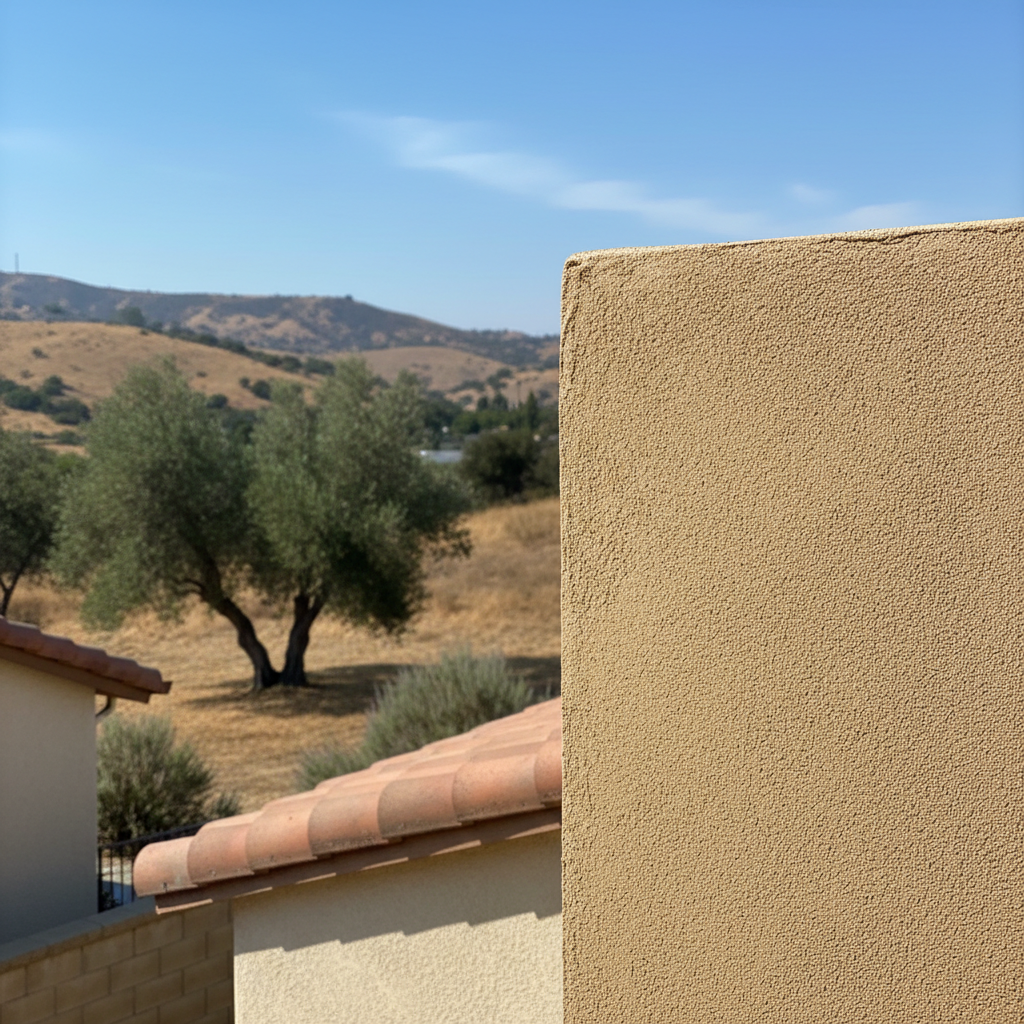
When it comes to finishes, you've got a few main options, and they each have their own unique look and feel. The traditional finish is a smooth, sand-float look. It's classic and clean, a real timeless choice. Then you have various textures like dash, worm, or lace. Dash gives you a rougher, almost pebbly surface. Worm finishes have these cool, swirling patterns, which can be quite striking. Lace is a bit more subtle, with a slightly raised, intricate look. We also do custom textures if you have something specific in mind. Which one is best? That's truly up to your personal taste and the style of your home. A lot of the mid-century homes around the Phillips Ranch area look great with a smooth finish, while some of the more traditional Spanish-style houses might lean towards a dash or lace. We can show you samples and help you visualize how each one would look on your house. Durability-wise, they're all pretty solid if we apply them correctly. Some textures might hide imperfections a little better, but it's mostly about aesthetics.
Will a new stucco system improve my home's energy efficiency?
Absolutely, it can make a noticeable difference. Modern stucco systems are designed with energy efficiency in mind. When we do a full replacement, we're not just putting up a new decorative surface. We're installing a complete system that includes those weather-resistant barriers and multiple layers of cement plaster. This creates a really dense, continuous thermal mass around your home. What does that actually mean for you? It means better insulation. In the summer, like those hot August days we get in Pomona, the stucco helps keep the heat out, so your AC doesn't have to work as hard. In the cooler months, it helps hold the heat in. You might not see your energy bill cut in half overnight, but you'll definitely feel a difference in how consistent your indoor temperature is, and over time, those savings really add up. Plus, a properly installed stucco system helps seal up any air leaks, which also contributes to better energy performance. It's not just about looking good; it's about making your home more comfortable and efficient.
How do I maintain my new stucco to ensure it lasts as long as possible?
Maintaining new stucco isn't rocket science, but a little effort goes a long way in making it last. The biggest thing is keeping it clean. Dust, dirt, and even mildew can accumulate over time, especially on the north-facing sides of houses that don't get as much sun. A gentle rinse with a garden hose is usually enough. For tougher spots, you can use a soft brush and a mild detergent solution. Just don't go crazy with a high-pressure washer; you can damage the finish if you're not careful. Another key is to inspect it regularly. Walk around your house once or twice a year and look for any small cracks. Catching them early means they're easy and cheap to fix. Make sure your sprinklers aren't constantly hitting the stucco, as prolonged moisture can cause issues. Also, keep an eye on your gutters and downspouts; make sure they're directing water away from your walls. Good drainage is crucial. If you see anything concerning, don't ignore it. Give us a call at Alpha Stucco Pomona, and we can take a look. A little proactive maintenance can save you a lot of headaches and money down the road.