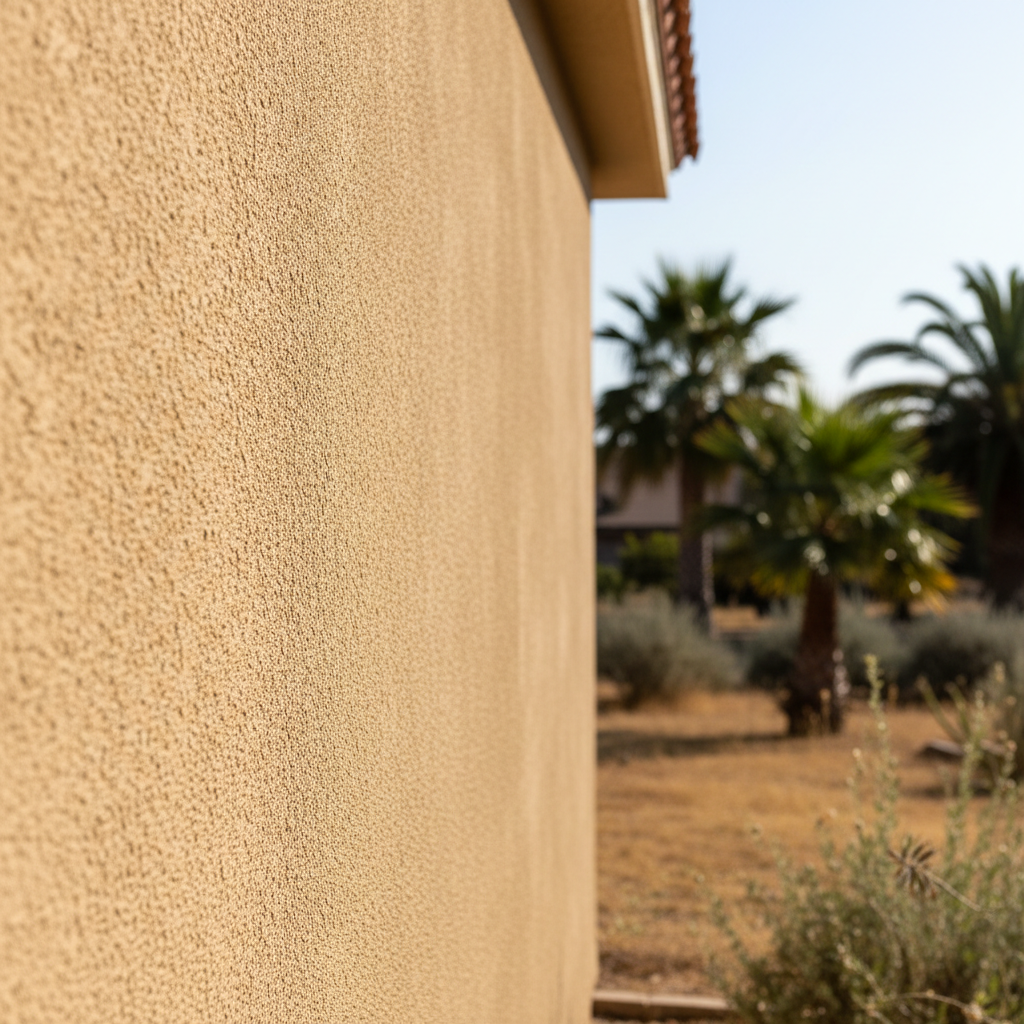
Why do people even remove stucco in the first place?
That's a fair question, and honestly, I see a few main reasons folks in Pomona decide to do it. Sometimes, it's simply age. Stucco doesn't last forever, especially if it wasn't put on right from the start or if nobody's really kept up with it. You'll begin to spot big cracks, crumbling bits, or water getting in — problems just too big or too expensive to patch up. Other times, people just want a fresh look for their home. Maybe they bought an older place in the Lincoln Park area with that classic 70s or 80s stucco, and now they're ready for something more modern, like siding or brick. Then there's the moisture issue. If water has seeped behind the stucco and caused rot or mold in the sheathing or framing, taking it off is often the only real way to fix the damage underneath and stop it from coming back.
Is stucco removal a messy job? How bad are we talking?
Oh, it's messy, alright. Let's not pretend otherwise. Stucco is basically cement, sand, and water, and when you start breaking that stuff off a wall, it kicks up a ton of dust and debris. It's not just the stucco itself, either; often there's lath (that's metal mesh) and sometimes old building paper or tar paper underneath. We're talking about a significant amount of material coming off your house. A good contractor, like us at Alpha Stucco Pomona, will take steps to keep it contained as much as possible – we lay down tarps, use dust barriers, and clean up thoroughly as we go. But you should definitely expect dust to get everywhere, even with the best precautions. Your landscaping around the house will need protection, and sometimes we even tape off windows and doors. It really is a full-on construction zone for a bit.
What's underneath the stucco? Will my house be exposed?
Once the stucco comes off, you'll typically see the building's sheathing. On newer homes, this is usually plywood or OSB (oriented strand board); older ones might have planks of wood. Underneath the stucco, there's also usually a weather-resistive barrier – often a building paper or house wrap. This barrier is super important for keeping moisture out of your wall assembly. When we pull off stucco, we're also taking this barrier with it. So, yes, your house will be exposed to the elements until we get the new exterior installed. That's why timing is key. We certainly don't want to start a big stucco removal job right before a major rainstorm, especially here in Pomona where our winter rains can be pretty serious. We plan these projects carefully to keep that exposure time to a minimum.
How long does stucco removal usually take?
That really just depends on your house's size and how complicated the job is. A smaller, single-story home might only take a few days for the removal itself. A larger, two-story house with lots of architectural details, like multiple windows, doors, or bump-outs, could easily take a week or even longer. You also need to factor in time for getting rid of the debris. We don't just pile it up and leave it, you know? We'll have dumpsters on site, and hauling away all that heavy material takes some time. Then, of course, there's putting up the new exterior. So, from start to finish, you're looking at a project that could stretch over several weeks, not just a couple of days.
Can I live in my house while the stucco is being removed?
Technically, yes, you can live in your house. It's not like a kitchen remodel where you might lose access to essential services. However, it's going to be noisy, dusty, and generally disruptive. There will be workers around your house all day, power tools humming, and debris getting moved. If you work from home, or have young children or pets, you might find it pretty challenging. Some homeowners choose to stay with family or take a short vacation during the most intense parts of the work. Moving out isn't mandatory, but you should definitely get ready for a less-than-peaceful environment for a while.
What's the typical cost range for stucco removal in Pomona?
Costs can really jump around, but generally, you're looking at anywhere from $2 to $6 per square foot just for taking off and disposing of the stucco. This doesn't cover any repairs to the sheathing or framing, or the cost of putting on your new exterior. Factors that push the price up include the house's height (two-story homes need more scaffolding and labor), how thick the stucco is, how well it's stuck on, and how easy it is to get to the walls. If there's a lot of water damage underneath that needs fixing, that's an extra cost. Always get a detailed quote that breaks down the removal, disposal, and any potential repairs. Don't just pick the cheapest bid; make sure they're reputable and insured.
What are my options after stucco removal? What can I put on instead?
Once that old stucco is gone, you've got a fresh canvas! Most homeowners pick a new siding material. Popular choices around here include fiber cement siding (like Hardie Plank), which is tough, needs little maintenance, and comes in tons of styles and colors. Vinyl siding is another common pick; it's usually more budget-friendly and easy to care for. You could also go with wood siding, like cedar or redwood, for a classic look, but that does need more upkeep. Brick or stone veneer are also possibilities, offering a very different feel and excellent durability. Before any new siding goes up, we'll install a new, high-quality weather-resistive barrier to protect your home from moisture, which is super important for long-term peace of mind.
Will removing stucco affect my home's value or energy efficiency?
It absolutely can, and usually for the better. If you're getting rid of old, cracked, or damaged stucco, you're really improving your home's curb appeal, which can boost its market value. Swapping it out for a modern, well-installed siding material can make your home look newer and more appealing to potential buyers. As for energy efficiency, if the old stucco had cracks or wasn't properly sealed, it wasn't doing a great job of insulating or stopping air leaks. When we remove it, we also get a chance to check out the wall cavity and add insulation if needed. Putting in a new, properly sealed weather barrier and siding can definitely make your home perform better thermally, leading to lower energy bills. It's an investment that often pays off in multiple ways, wouldn't you say?
What about permits? Do I need one for stucco removal?
Yep, you'll almost certainly need a permit from the City of Pomona for stucco removal and replacement. Anytime you're making big changes to your home's exterior, especially structural things or anything that weatherproofs it, the city wants to ensure it's done to code. This isn't just bureaucracy; it's about making sure your home is safe and built correctly. A good contractor will handle all the permit applications for you. We'll make sure everything is filed right and that inspections are scheduled at the proper times throughout the project. Don't try to skip this step; it can lead to big headaches and fines later if you get caught, and it can cause problems when you try to sell your house.
Any final advice for someone considering stucco removal?
My biggest piece of advice is this: do your homework. This isn't a small project, and it's not cheap. Get multiple quotes, but don't just compare prices. Look at the contractor's experience, their references, and make sure they're licensed and insured. Ask detailed questions about their process, cleanup, and how they handle unexpected issues. A reputable company like Alpha Stucco Pomona will be transparent and happy to answer all your questions. You want someone who knows what they're doing, especially when it comes to dealing with potential hidden damage and making sure your home is properly protected from the elements once the old stucco is gone. It's a big investment, so make sure you're investing in the right team.