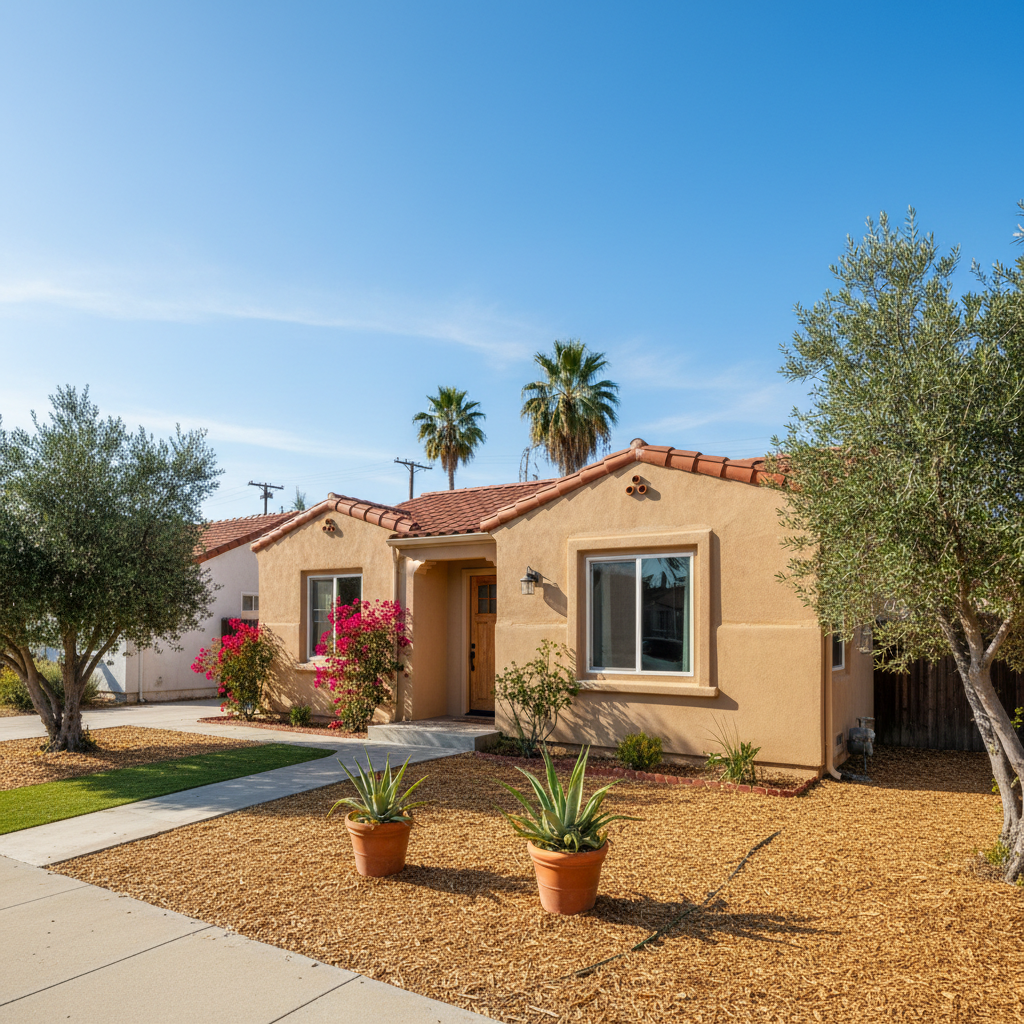
You've probably seen it – a hairline crack snaking across your stucco wall, maybe a bigger one near a window. It's easy to think, "Eh, I'll just slap some caulk on it." But here in Pomona, especially with our unique climate and older homes, those cracks are usually telling you something more important. And ignoring them? That's how a small fix turns into a big, expensive headache.
Why Stucco Cracks Happen Around Here
First off, stucco is tough stuff, but it's not invincible. Our weather plays a big part. We get those hot, dry summers that bake everything, then the cooler, sometimes damp winters. That constant expansion and contraction? It puts stress on your stucco. Over time, tiny cracks are bound to show up. That's just normal wear and tear.
But then you've got other stuff to consider. We're in an active seismic zone, right? Even minor tremors can cause structural shifts that translate into cracks on your exterior. I've seen it plenty of times in neighborhoods like Lincoln Park or even some of the older tracts near the Fairplex. Homes built in the 40s, 50s, 60s often have foundations that have settled differently over the decades, and that movement shows up in the stucco.
Another big one? Water. Our rainy season might be short, but when it hits, it can be intense. If your gutters aren't doing their job, or sprinklers are hitting the wall directly, that constant moisture can get behind the stucco. Once water gets in, it can wreak havoc on the lath and framing underneath, leading to bigger cracks, bulging, or even soft spots. That's not just cosmetic anymore; that's a structural issue waiting to happen.
Not All Cracks Are Created Equal
You'll see different types of cracks, and each one tells a different story:
- Hairline cracks: These are usually just surface-level, often from the stucco drying and curing normally or minor thermal expansion. They're common and often just need a good cleaning and a fresh coat of elastomeric paint to seal them up.
- Spiderweb or map cracking: This looks like a network of fine cracks. It's usually a sign the stucco dried too fast during application, or sometimes a mix issue. It's mostly cosmetic, but it can let water in over time if not sealed properly.
- Diagonal cracks: Now these are the ones you really need to pay attention to. If you see cracks running diagonally from the corners of windows or doors, or from the foundation up, that's often a sign of structural movement. The house itself might be settling, or there could be a problem with the framing. You don't just patch these; you need to figure out what's causing the movement first.
- Bulging or delaminating stucco: This is when the stucco actually separates from the wall underneath. It's almost always a sign of water intrusion. The water gets behind the stucco, freezes and expands, or just degrades the bond. You'll often see discoloration or efflorescence (that white powdery stuff) along with it.
Why Local Expertise Matters for Your Pomona Home
You can call any stucco guy, sure. But someone who's been working in Pomona for years, like us at Alpha Stucco Pomona, has seen it all. We know the common issues with homes in the older parts of town, or the specific challenges with newer builds that might have different stucco systems. We understand how our local soil conditions – sometimes expansive clay, for instance – can affect foundations and, in turn, your stucco.
When I come out to look at your stucco, I'm not just seeing a crack. I'm looking at the whole picture: the age of your home, its orientation to the sun, your landscaping, your drainage. We're looking for the root cause, not just slapping a band-aid on the symptom. That's the difference between a repair that lasts and one you'll be calling someone back for in a year.
It's about doing the job right the first time, using the right materials that can stand up to our Southern California climate, and making sure your home is protected for the long haul. Don't let those little cracks turn into big problems. Get someone who knows Pomona stucco to take a look.