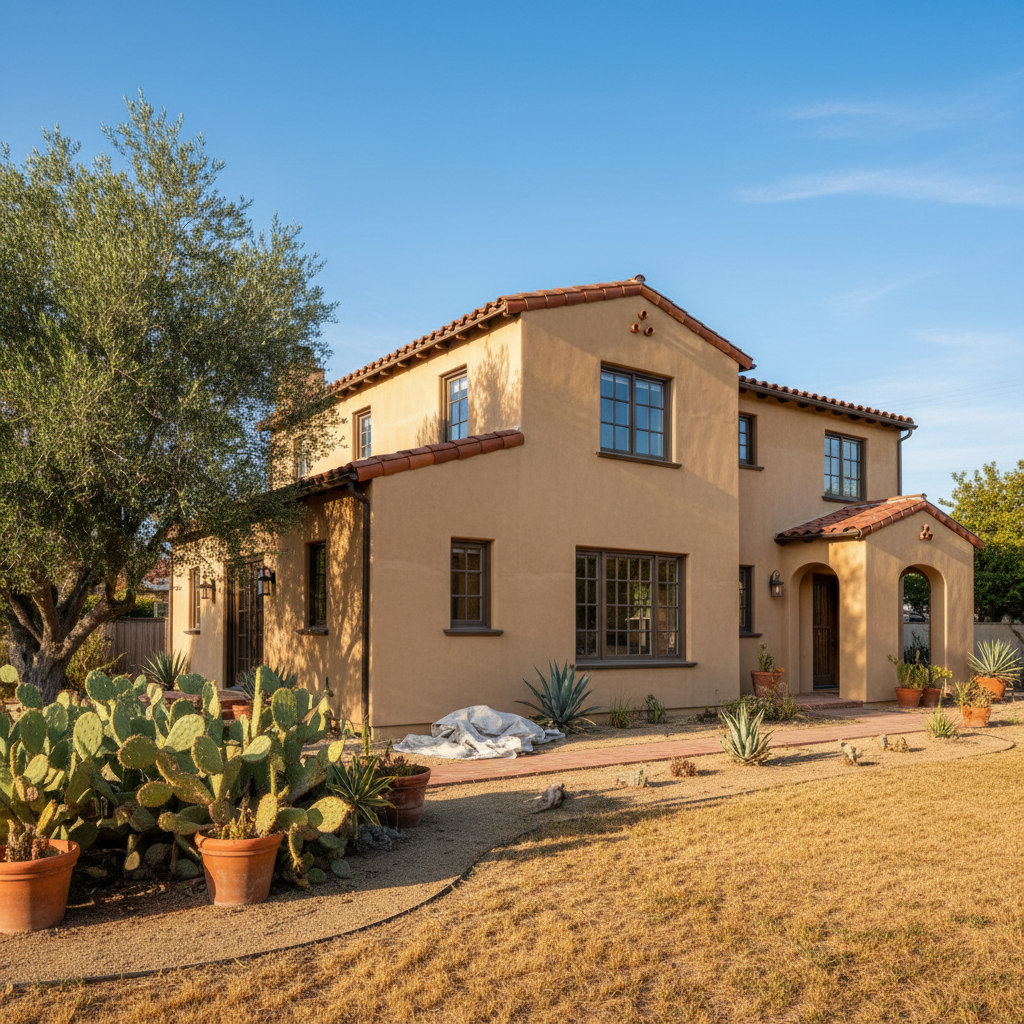
When's the best time to get your stucco looked at or repaired here in Pomona? That's a question I get a lot, and honestly, the answer isn't always straightforward. Our weather here in Southern California, especially in the Inland Empire, plays a huge role in how stucco behaves and when it's smartest to do work on it. You can't just pick any random day and expect the best outcome, can you?
Understanding Pomona's Climate & Your Stucco
We've got a pretty unique climate, haven't we? Hot, dry summers and mild, sometimes rainy winters. This cycle of extreme heat and occasional moisture is what your stucco has to deal with every single year. Think about those long stretches in August and September when it's 100 degrees or more. That kind of heat can bake existing stucco, making it brittle over time. Then you get the Santa Ana winds, kicking up dust and debris, which can scour the surface. And let's not forget those sudden winter downpours that can really test your stucco's waterproofing.
For new stucco application or major repairs, temperature and humidity are critical. If it's too hot, the stucco can dry out too fast, leading to cracks. Too cold, and it won't cure properly, compromising its strength. Too humid, and it takes forever to dry, which can also cause issues. It's a balancing act, for sure.
Best Times for Stucco Work in Pomona
So, when's the sweet spot? Generally, I tell folks to aim for the spring or fall. These are our 'shoulder seasons' when temperatures are usually moderate – not too hot and not too cold – and humidity levels are pretty stable. You're looking for consistent temperatures between 50 and 85 degrees Fahrenheit. This lets the stucco cure slowly and properly, giving it maximum strength and durability.
- Spring (March to May): This is prime time. The winter rains are usually behind us, and the scorching summer heat hasn't kicked in yet. The stucco has plenty of time to set before the sun puts it to the test.
- Fall (October to November): Another excellent window. The intense summer heat has passed, but the heavy winter rains haven't typically started. You get those nice, mild days, perfect for outdoor work.
Now, can you do stucco work in summer or winter? Sure, but it comes with challenges. In summer, we have to take extra precautions to prevent rapid drying, like misting the stucco or working early mornings. In winter, we're watching the forecast like hawks. If there's a string of dry, mild days, we can make it work. But you definitely don't want to be applying stucco right before a big rainstorm. That's just asking for trouble, and it's why Alpha Stucco Pomona always keeps an eye on the weather for you.
Protecting Your Stucco Investment Year-Round
Okay, so you've got solid stucco. How do you keep it that way? It's not just about scheduling repairs; it's about ongoing care.
- Keep it Clean: Dust, dirt, and even mildew can build up, especially on north-facing walls or in shaded areas. A gentle rinse with a garden hose can do wonders. For tougher spots, a soft brush and mild detergent work, but avoid high-pressure washers unless you know what you're doing – they can damage the surface.
- Watch for Water: Water is stucco's biggest enemy. Make sure your sprinklers aren't constantly drenching your walls. Check your gutters and downspouts regularly to ensure they're clear and directing water away from your foundation. I've seen too many homes, especially older ones in areas like Lincoln Park, where clogged gutters have caused significant stucco damage over time.
- Seal Cracks Promptly: Even small hairline cracks can let water in, leading to bigger problems like delamination or dry rot. Don't ignore them. A good quality elastomeric sealant can often take care of these minor issues before they become major headaches.
- Inspect Annually: Just take a walk around your house once a year. Look for any new cracks, discoloration, or areas where the stucco might sound hollow when you tap it. Catching these things early saves you money and prevents bigger repairs down the line.
Taking care of your stucco isn't a one-and-done deal. It's an ongoing process, but by understanding our local climate and knowing when to act, you can keep your home looking great and protected for years to come.