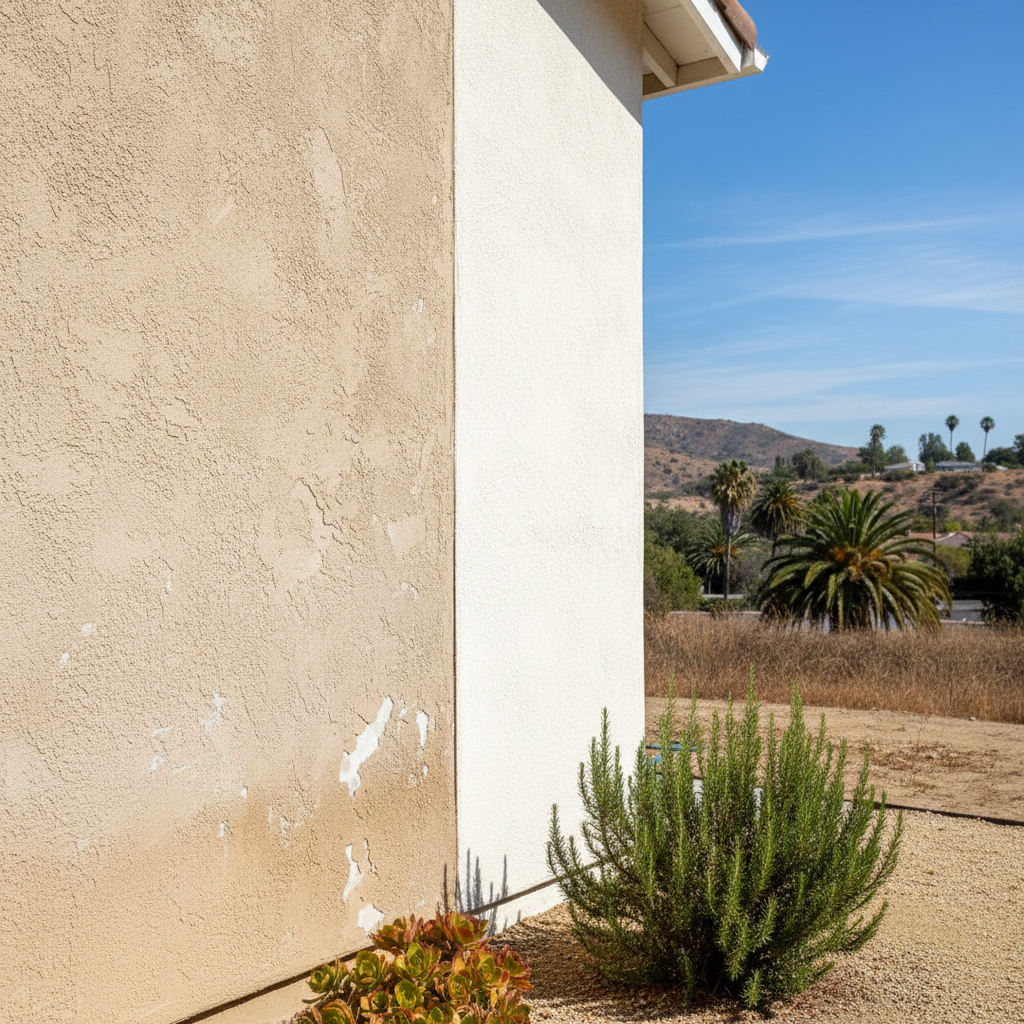
So, your stucco's looking a little tired, huh? Maybe it's faded, showing some hairline cracks, or just needs a fresh face. When it comes to giving stucco a new lease on life, most folks think 'paint.' And yeah, paint's an option. But there's another player in the game that I think every Pomona homeowner should know about: elastomeric stucco coatings. These aren't your grandma's house paints, not by a long shot.
Traditional Stucco Paint: The Familiar Choice
Let's start with what most people know. Regular exterior house paint, usually an acrylic latex, is what's commonly used on stucco. It's affordable, widely available, and comes in every color under the sun. You can pick up a few gallons at any hardware store, grab some brushes and rollers, and get to work if you're a DIY type. Or, you can hire a painter, and they'll usually go this route.
The Good Stuff About Paint:
- Cost: It's generally cheaper upfront. A gallon of good quality exterior paint will cost you less than a gallon of elastomeric coating.
- Easy to Apply: Most painters are familiar with it, and if you're painting yourself, it's pretty straightforward.
- Color Variety: Seriously, if you can imagine a color, you can probably get it in paint.
The Not-So-Good Stuff About Paint:
- Durability: This is where paint often falls short on stucco. Stucco is a rigid material, and it moves a little with temperature changes. It's also porous. Regular paint forms a film on the surface, and over time, that film can crack, peel, or blister, especially if moisture gets behind it.
- Moisture Resistance: Paint offers some protection, sure, but it's not a complete moisture barrier. Water can still seep into hairline cracks, and once it's in the stucco, it can cause problems like efflorescence or even damage the stucco itself.
- Maintenance: You'll likely be repainting every 5-7 years, sometimes sooner depending on the quality of the paint and the exposure your house gets. That relentless Pomona sun can really bake a painted surface, won't it?
- Crack Bridging: It doesn't bridge cracks. If you've got hairline cracks, paint will cover them temporarily, but they'll often reappear as the stucco continues its natural expansion and contraction.
Elastomeric Stucco Coatings: The Heavyweight Contender
Now, let's talk about elastomeric coatings. These are specialized, high-performance products designed specifically for masonry surfaces like stucco. Think of them as a super-tough, flexible skin for your house. They're not just paint; they're a protective membrane.
Why I Recommend Elastomeric Coatings:
- Flexibility and Crack Bridging: This is the biggest advantage. Elastomeric coatings are incredibly flexible. They can stretch and contract with your stucco, meaning they can bridge existing hairline cracks (up to 1/16th or even 1/8th of an inch, depending on the product) and prevent new ones from showing through the coating. This is huge for stucco, especially in areas like the hills of Phillips Ranch where ground movement can sometimes lead to minor foundation shifts and subsequent stucco cracking.
- Superior Waterproofing: These coatings form a thick, continuous, waterproof barrier. They're designed to keep moisture out while still allowing the stucco to breathe. This is critical for preventing water intrusion, mold, and stucco degradation.
- Durability and Longevity: Because they're so tough and flexible, elastomeric coatings last a lot longer than traditional paint. We're talking 10-20 years, easily. That means less frequent repainting, saving you money and hassle in the long run.
- Appearance Retention: They often resist fading, chalking, and dirt pickup better than regular paint, keeping your home looking sharper for longer.
- Energy Efficiency: Some elastomeric coatings have reflective properties that can help reduce heat absorption, potentially lowering your cooling costs in our hot Pomona summers.
The Downsides of Elastomeric Coatings:
- Cost: There's no sugarcoating it, elastomeric coatings are more expensive upfront. The material itself costs more per gallon, and the application often requires more prep work and specific techniques.
- Application: It's not a DIY job for most folks. These coatings are thick and need to be applied correctly to achieve their full benefits. You'll want a pro who knows what they're doing.
- Limited Color Palette: While they come in a good range of colors, it's not as extensive as traditional paint. But honestly, most people find what they need.
My Recommendation for Pomona Homeowners
Look, if you're on a super tight budget and just need a quick cosmetic fix, traditional paint will do the job for a few years. But if you're looking for a long-term solution, something that truly protects your stucco, reduces maintenance, and keeps your home looking great for a decade or more, an elastomeric stucco coating is the way to go. Period.
I've seen too many homes in Pomona where regular paint failed prematurely because it just couldn't stand up to the elements or the natural movement of the stucco. You end up spending more money in the long run with frequent repaints and potential stucco repairs from moisture damage.
At Alpha Stucco Pomona, when we're talking about refreshing stucco, we almost always steer folks towards elastomeric coatings. It's a smarter investment for your home's protection and curb appeal. It's like putting a heavy-duty, custom-fit raincoat on your house instead of a thin windbreaker. You'll thank yourself later when your neighbors are repainting again, and your house still looks fantastic.